A good haircut later in life is partly about the hair and partly about the appointment itself. Skin gets thinner and more easily nicked, hearing aids and glasses share space with clippers, and a long sit in a standard chair can stiffen a back. None of this is a problem when it is planned for. At Gaston Barbers in Gastonia, senior cuts are a regular part of the week, and the adjustments that make them comfortable are simple and worth asking for by name.
This is a how-to in two directions: what the client or family can do, and where the barber's side of the work begins. The goal is a classic, tidy result that is easy to keep at home with limited reach, grip, or patience for styling, delivered at a pace that never feels rushed.
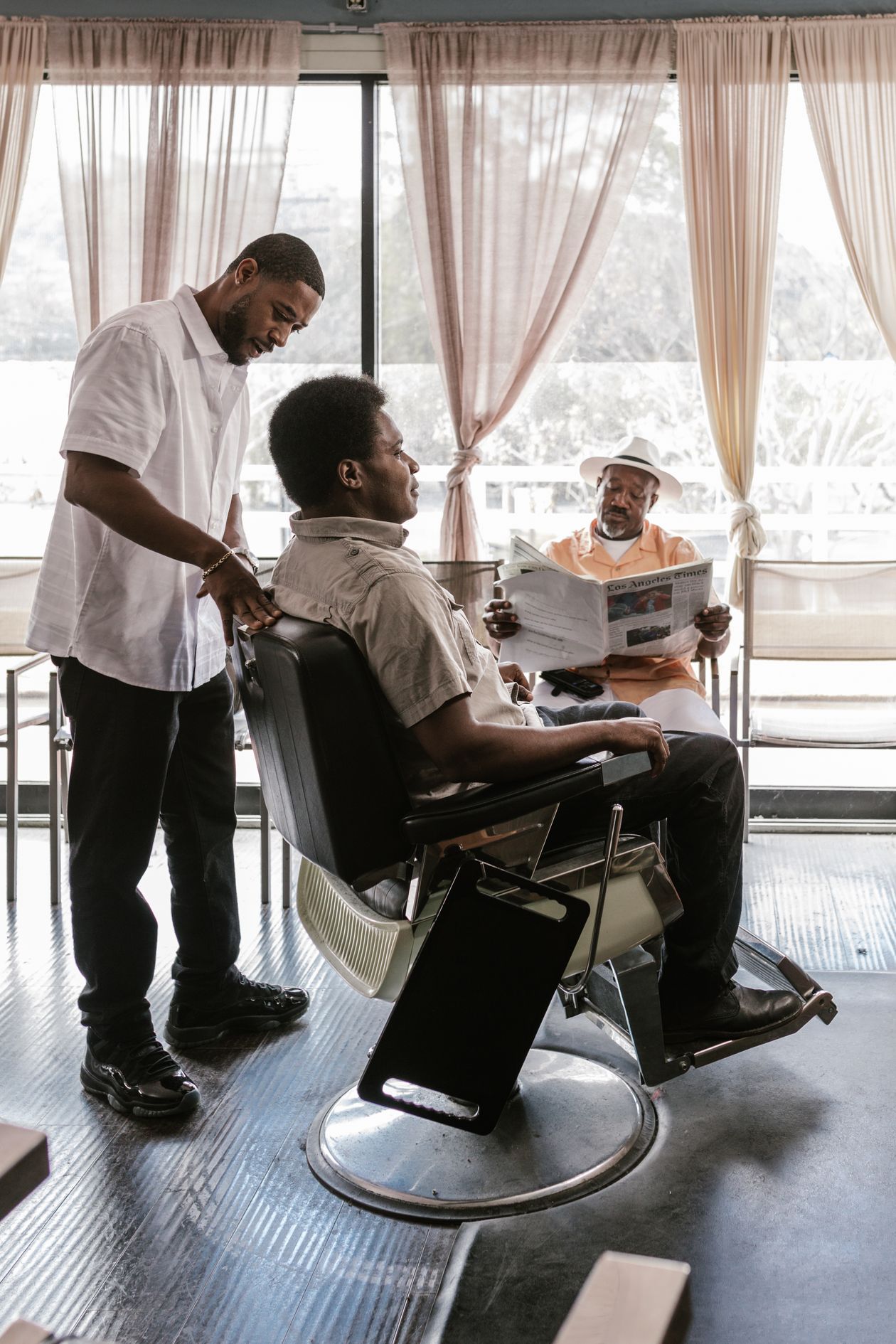
Before and during the appointment
Say what you need when booking. Mention hearing aids, glasses that must stay on, a wheelchair or walker, sensitivity around scars or moles, or blood-thinning medicine, which makes even tiny nicks bleed longer. A barber told in advance prepares the chair area, plans the order of work, and keeps the right tools in reach instead of improvising around surprises.
During the cut, the pace should include pauses. A barber can lift the cape's pressure off the neck, work in shorter passes around delicate skin, and check comfort as they go. If you wear hearing aids, the barber will usually ask you to remove them during the work around the ears and will tell you before clippers start near them, since clipper noise transmits unpleasantly through an aid left in place. Ask for the mirror check at the end to be unhurried, with glasses back on, because that is how the cut will actually be seen.
- Call ahead with the details. Mention mobility aids, hearing aids, sensitive skin, scars, or medicines that affect bleeding.
- Choose a quieter time. Mid-morning on a weekday is usually calmer and allows a slower pace.
- Settle comfort first. Adjust the chair, cape pressure, and glasses or hearing aids before cutting begins.
- Pick a low-effort classic shape. Taper, simple part, or short crop that a comb and damp hands can maintain.
- Work in short, checked passes. Especially around the ears and any delicate skin, with pauses built in.
- Check the result with glasses on. Unhurried, in the mirror, from the front and sides.
- Take a photo of the finished cut. It becomes the reference that keeps future visits consistent anywhere.
Styles that stay easy at home
Classic shapes suit senior hair for practical reasons, not just tradition. A neat taper with a modest top, a simple side part, or a short crop all keep their look with a comb and damp hands, need no product technique, and grow out gracefully between visits that may be spaced further apart. Very tight fades demand frequent upkeep and can emphasize thinning and scalp show-through, so they are usually the weaker choice at this stage.
Home care should match real ability. If shoulder or hand stiffness limits washing, a barber can suggest a slightly shorter shape that stays tidy with less frequent washing, and dry shampoo for the in-between days. If a family member helps with care, the barber can show them the simple comb direction the style was built around, which takes a minute and makes daily tidiness much easier to maintain.
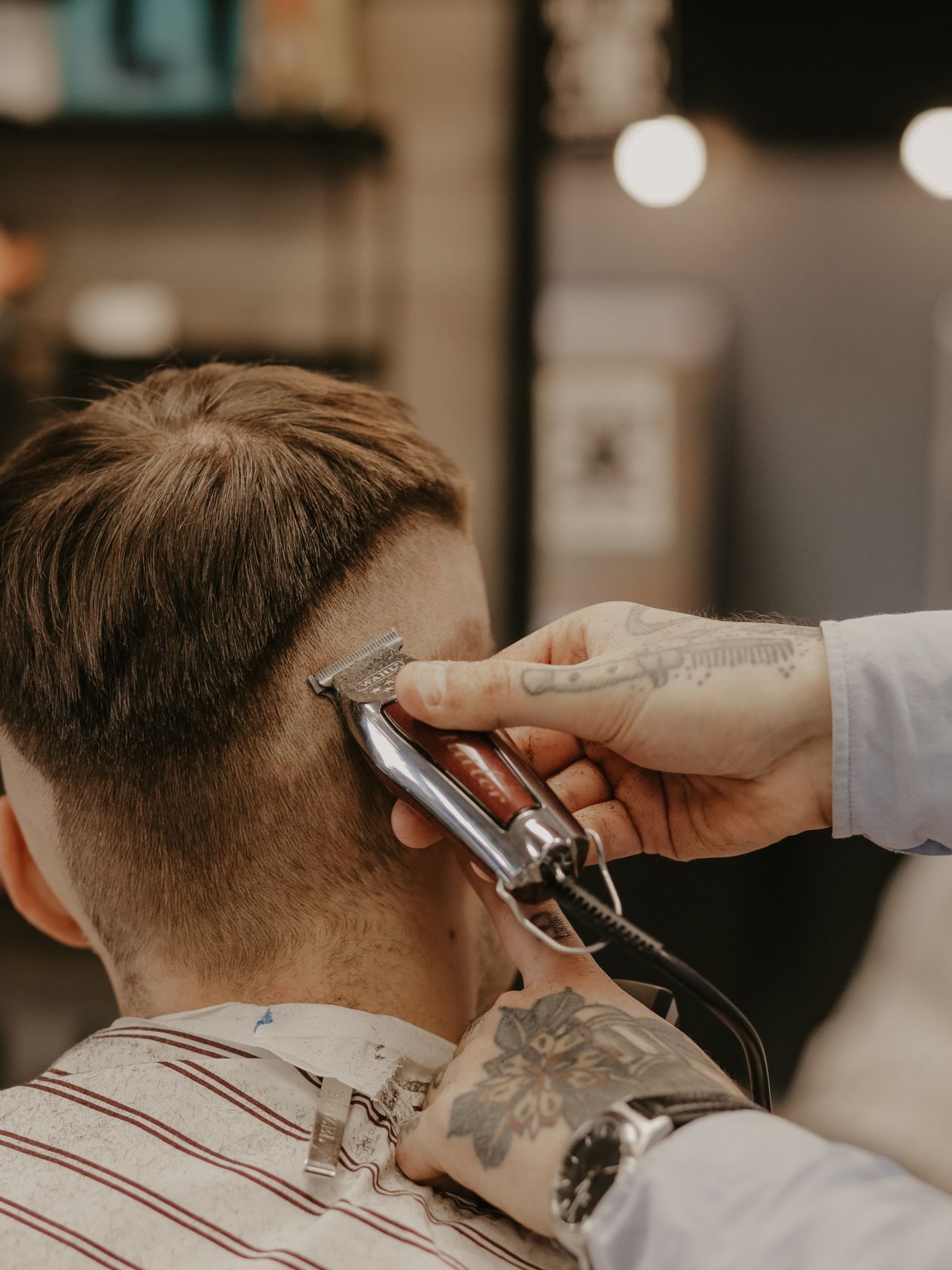
The professional line
Some things belong firmly on the barber's side: work around moles, skin tags, and scars; any razor finishing on thin or fragile skin; and judging when a scalp issue, a sore that does not heal, a rapidly changing mole, needs a doctor rather than a barber's opinion. A conscientious barber will point such things out plainly and without alarm, since they see the scalp more closely and more often than almost anyone.
Families can help most with logistics: booking at quieter times of day, allowing extra minutes so nothing is hurried, and keeping a simple note of what was done, a photo of the finished cut works well, so the next visit at any shop can reproduce it. Consistency is a comfort in itself, and a familiar chair, a familiar barber, and a known result make the appointment something to look forward to rather than manage.
Keeping it up between visits
Photos help, with one caution. A reference picture shows the destination, but your hair type, growth pattern, and hairline decide whether that destination is reachable. Bring two or three photos rather than one, ideally of hair similar to yours. A barber can then point to the parts that will transfer directly and the parts that will need adapting, before any hair comes off.
At home, less is usually more. Wash when the scalp needs it rather than on a fixed daily habit if your hair runs dry, rinse well, and keep product amounts small. A pea-sized amount worked through dry or slightly damp hair does more than a large amount dumped on wet hair. If a style needs ten minutes of work every morning to look right, it is the wrong style for most weekdays, whatever it looked like leaving the shop.
Common questions
How often should a senior cut be refreshed?
Every four to six weeks suits most classic shapes, since they grow out softly. Spacing further is possible if the shape was chosen for it; mention that goal when the cut is planned.
Are razor finishes safe on older skin?
They can be, with an experienced hand and full knowledge of the skin's condition, but they are optional. Many senior clients get an equally tidy result from careful clipper and scissor finishing alone.
Can a family member sit in on the appointment?
Of course. Many clients prefer it, and it helps to have a second person hear the home-care pointers. Just let the shop know when booking so seating is arranged.
Photos in this guide are representative stock images.
← All guides from Gaston Barbers← Back to Gaston Barbers