A job interview compresses judgment into small signals, and hair is one of them. Nobody gets hired for a haircut, but a fresh, deliberate cut tells the room you prepared, while a shaggy, overdue one quietly suggests the opposite. In Gastonia, the men who get this right treat the haircut as part of interview preparation with its own deadline, not as a same-week afterthought squeezed in if time allows.
The cost of neglecting it is not dramatic, which is exactly why it happens. Each day of delay feels harmless. Then the week fills, the only open slot is the morning of the interview itself, and you are suddenly wearing a brand-new, untested shape into the most evaluated hour of your month, with clipper irritation still possible on the neck. Planning removes all of that for the price of one earlier booking.
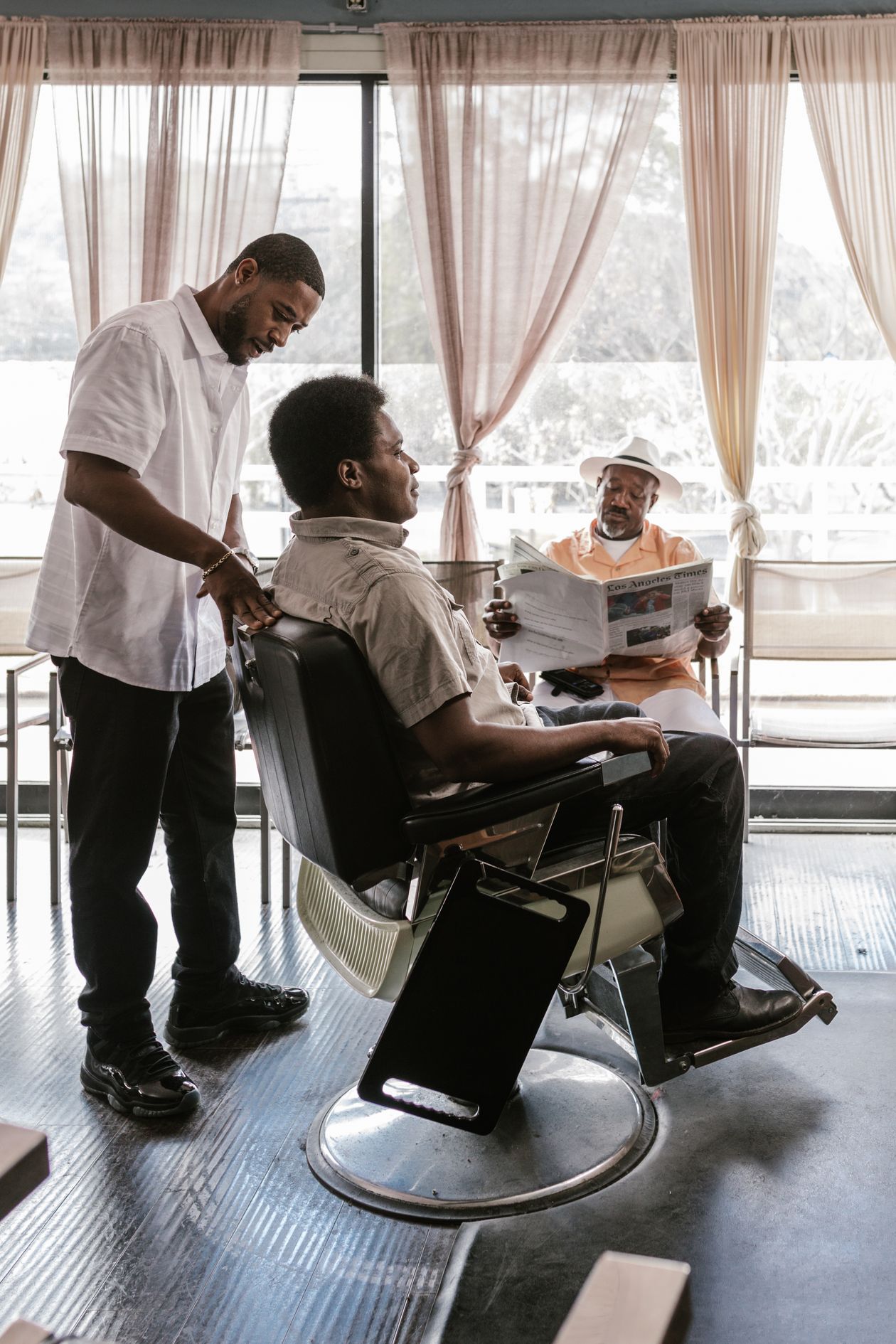
Timing: the three-to-five-day rule
Book the cut three to five days before the interview. That window is deliberate. A cut needs a day or two to stop looking freshly shorn, for the edges to soften and for you to learn how the shape behaves on your own pillow and shower schedule. It also leaves a buffer: if anything needs a small correction, there is time to get it fixed calmly.
Same-day cuts carry real risks beyond nerves. Razor-finished necklines can stay pink for hours. A new style has not yet been styled by you, only by the barber, and interview morning is a poor time to discover you cannot reproduce it. A cut a week or more old, on the other hand, starts to lose the crisp outline that made it interview-ready. Three to five days is the settled middle that barbers at Gaston Barbers recommend when a client names the interview date.
Choices that read as tidy, in person and on camera
Choose conservative versions of cuts you already wear. A classic taper, a neat side part, a tidy crop, or your usual fade cleaned up all work. The interview is not the occasion for a new silhouette, a hard part you have never had, or an experiment with length. Interviewers read familiarity as steadiness. On video calls, the same logic applies with one addition: very tight fades and very shiny products can look stark under webcam light, while a matte finish and a fraction more length on the sides read softer and more natural.
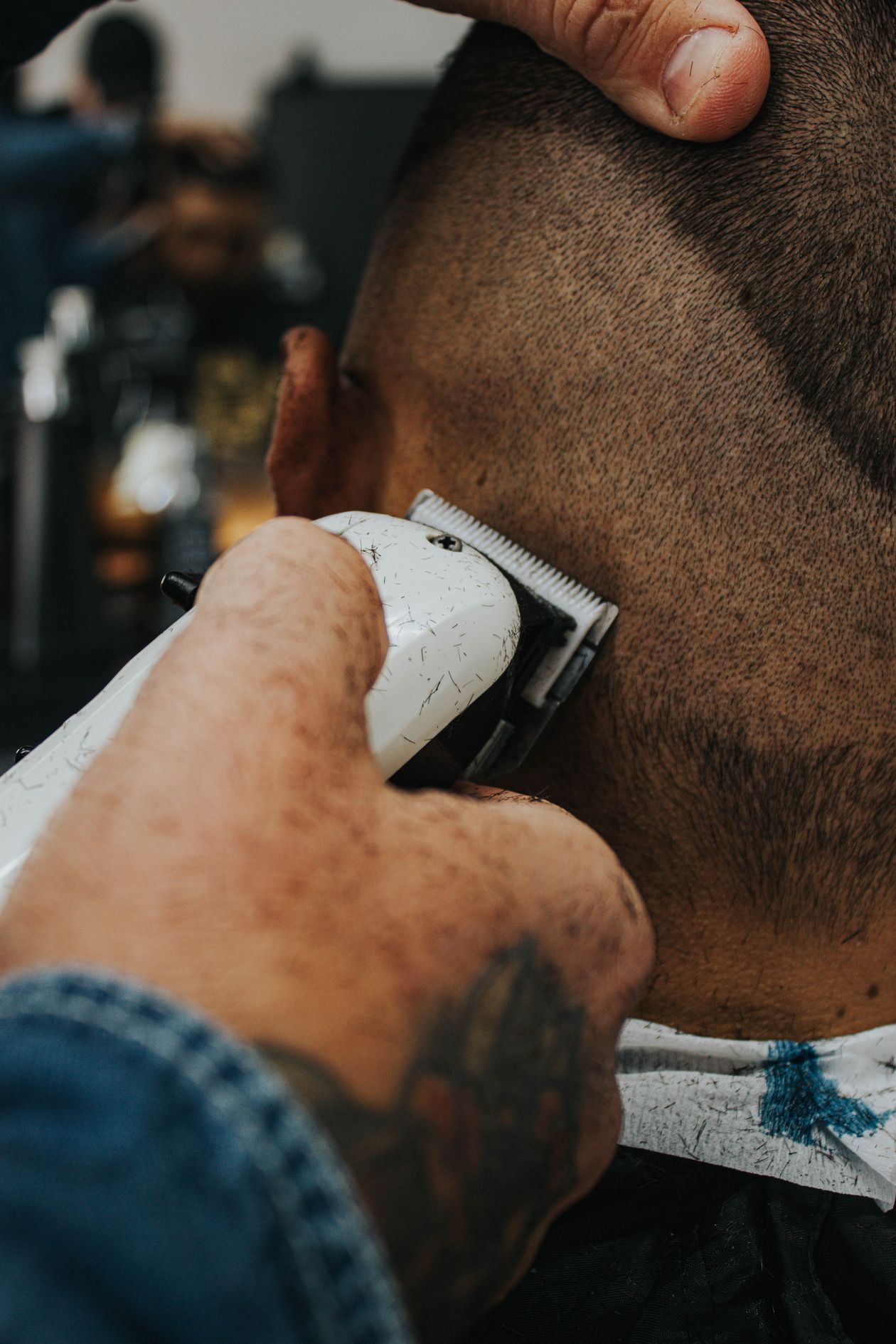
Attend to the borders as much as the cut. A clean neckline, trimmed sideburns at a sensible length, tidy eyebrows if they need it, and a beard that is shaped or clean-shaven, not in between, do more for the overall impression than an elaborate style does. Stubble at the two-day stage is the one look to avoid on purpose: it reads as forgotten rather than chosen.
The week-of checklist that prevents surprises
Wash and style the cut exactly as you will on interview day, at least twice before it arrives, so the routine is proven. Lay out everything the morning needs the night before. If the interview is on video, test the camera angle at the time of day of the call, since window light changes how a haircut and skin look on screen more than most men expect.
If you are between barbers or trying a new shop for the occasion, say what the appointment is for. A barber who knows there is an interview on Thursday will steer you to the safe version of everything and schedule the cleanup accordingly. That thirty-second disclosure is the cheapest insurance in the whole process.
Keeping it up between visits
Tools matter less than condition. Clippers, scissors, and razors all do poor work when dull or dirty, which is one reason a shop cut holds its shape longer than most home attempts. At home, keep any trimmer clean, oiled as the maker directs, and stored dry. If a home fix starts to involve correcting a correction, stop. A barber can level almost anything that still has length, but very little that has been cut too short.
A good barber visit runs on information. Tell the barber how long it has been since the last cut, what you have been doing at home, and what has been bothering you in the mirror. That short conversation saves guesswork. Most disappointments in the chair come from a vague request, not from bad cutting, and two minutes of plain talk at the start prevents weeks of growing out a misunderstanding.
Common questions
Should I try a new style for an interview to look sharp?
No. Wear the best-executed version of your usual cut. A new style adds styling uncertainty on the one morning you cannot afford it, and familiar reads as confident.
What if I can only get an appointment the day before?
Take it, and keep everything conservative. Ask for a gentle finish on the neckline, avoid razor work if your skin reddens easily, and style it once that evening as practice.
Does the advice change for a video interview?
Slightly. Choose a matte product, avoid extremes of tightness that look stark on camera, and test your actual camera and lighting beforehand at the same time of day.
Photos in this guide are representative stock images.
← All guides from Gaston Barbers← Back to Gaston Barbers